Looking to boost your home's energy efficiency, comfort, and value? Foam insulation for your attic is a game-changer. This comprehensive guide explores the types, benefits, installation, costs, and maintenance of foam insulation, empowering you to make an informed decision for a warmer winter and cooler summer.
Understanding Foam Insulation
What is Foam Insulation?
Foam insulation is a versatile material used for thermal insulation in residential and commercial buildings. It's known for its high R-value, meaning it offers excellent resistance to heat transfer, leading to significant energy savings. Various types of foam insulation exist, each with unique properties and applications, contributing to improved home energy efficiency and comfort levels. This includes spray foam, rigid foam boards, and poured-in-place foam. Choosing the right type depends on factors such as your attic's design, climate, and budget.
Types of Foam Insulation
The primary types of foam insulation are open-cell and closed-cell. Open-cell foam is less dense, allowing for better vapor permeability, while closed-cell foam is denser, providing superior moisture resistance and a higher R-value. Spray foam insulation, available in both open-cell and closed-cell variations, is applied directly to surfaces, creating a seamless air barrier. Foam board insulation, on the other hand, comes in rigid panels that are installed between joists or rafters. The selection depends on the specific needs of your attic and your budget, with both offering strong thermal performance.
Benefits of Foam Insulation for Your Attic
Energy Efficiency and Cost Savings
Foam insulation's high R-value significantly reduces heat transfer, minimizing energy loss in winter and heat gain in summer. This translates to lower utility bills and substantial long-term cost savings. By reducing the amount of energy needed to heat and cool your home, you'll see a noticeable decrease in your monthly energy consumption and lower your carbon footprint. The improved energy efficiency makes foam insulation a worthwhile investment that pays for itself over time.
Comfort and Temperature Control
Attics insulated with foam create a more consistent indoor temperature, providing greater comfort throughout the year. It effectively minimizes heat loss during cold winter months and prevents heat buildup during hot summers. This leads to a more comfortable living environment with fewer temperature fluctuations, reducing the strain on your HVAC system and improving overall home comfort.
Soundproofing and Noise Reduction
Foam insulation acts as an effective sound barrier, reducing noise transmission from outside sources or between floors. This improves the acoustic environment within your home, creating a more peaceful and quiet atmosphere. The dense structure of closed-cell foam, in particular, is excellent at dampening sound waves and improving your home's soundproofing capabilities.
Installation of Foam Insulation
DIY Installation vs. Professional Installation
Installing foam insulation can be a DIY project for those with experience and the right tools. However, professional installation ensures a seamless, high-quality job, maximizing energy efficiency and longevity. Professional installers possess expertise in handling specialized equipment, assessing your attic's specific needs, and adhering to building codes. For complex attic configurations or large projects, professional installation is recommended, though DIY is possible for smaller areas with https://rentry.co/uowoiddb simple setups.
Step-by-Step Guide to Installing Foam Insulation (Spray Foam Example)
While professional help is often recommended, a basic understanding of the spray foam insulation process includes thorough preparation, careful application to prevent gaps, and ensuring proper ventilation. Always follow manufacturer instructions meticulously. For spray foam, specialized equipment is needed. Protect yourself with appropriate safety gear. If undertaking DIY, carefully study videos and instructions to ensure safe and proper application. Remember, professional installation avoids mistakes and ensures optimal results.
Costs and Quotes for Foam Insulation
Average Costs of Foam Insulation
The cost of foam insulation varies based on factors like the type of foam, the attic's size, the existing insulation, and labor costs. Get multiple quotes from reputable installers to compare pricing and services. It's always prudent to get several bids to find the best value for your insulation needs. Factors like accessibility and the project's complexity also influence the overall expense.
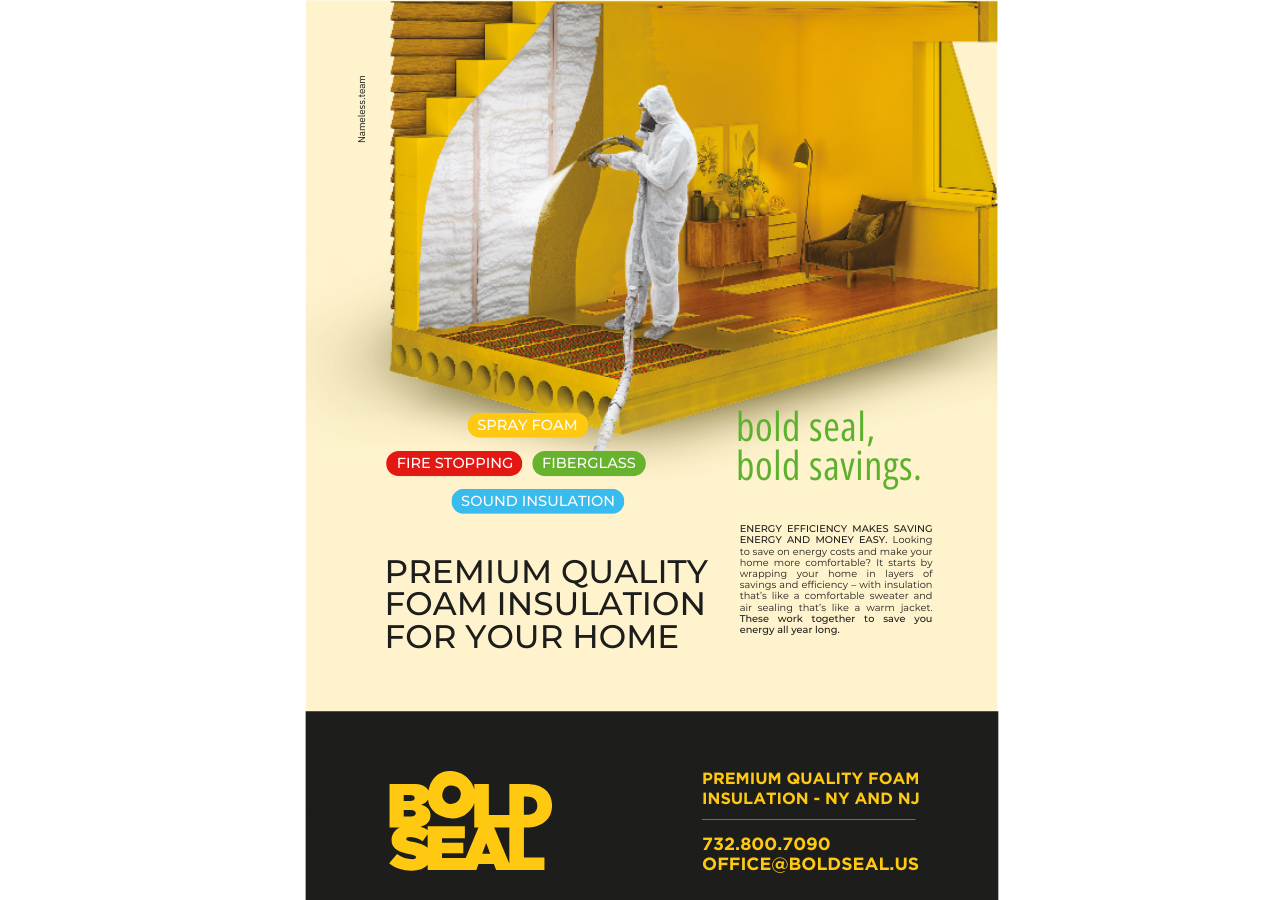
Factors Affecting Insulation Costs
Several factors influence the total cost, including the size of your attic, the type of foam insulation chosen (open-cell or closed-cell), the amount of existing insulation that needs to be removed (if any), and the labor costs associated with installation. Regional differences in material and labor costs also play a role. Thoroughly evaluate these factors when budgeting for your foam insulation project.
Maintenance and Inspection of Foam Insulation
Common Issues and Solutions
Proper attic ventilation is crucial to prevent moisture buildup that could lead to mold growth or pest infestation. Regular inspections help identify and address potential issues early on. Appropriate ventilation strategies can minimize these issues and extend the lifespan of your foam insulation. Addressing problems promptly prevents costly repairs later on.
When to Replace or Upgrade Insulation
The lifespan of foam insulation depends on several factors, but it generally lasts for several decades. Regular inspections are vital. If you notice any signs of damage or reduced insulation effectiveness, you may need to replace or upgrade your attic insulation. Proper maintenance can extend the insulation's lifespan significantly and prevent future problems. Regular inspection helps determine when it's time for replacement or upgrade.
In conclusion, foam insulation presents a powerful solution for improving your attic's energy efficiency, comfort, and soundproofing. By carefully considering the type of foam, installation method, and associated costs, you can make an informed decision to optimize your home's performance and comfort. Contact a qualified insulation contractor today for a consultation and quote!